
 AI Law
How AI Is Changing Legal Research
Legal teams can use AI to map precedent, compare sources, and speed up early research without replacing legal judgment.
researchprecedentworkflow
Article library
Browse the full editorial library or ask AI to synthesize the portal content into a short answer.
AI LawLegal teams can use AI to map precedent, compare sources, and speed up early research without replacing legal judgment.
 AI Law
Contract AI can flag clauses and summarize obligations, but review standards and accountability still matter.
 AI Law
A practical guide to source checking, confidentiality, citations, and responsible AI use in legal work.
 AI Law
AI creates new questions around discovery, privacy, admissibility, and the reliability of generated analysis.
 AI Medicine
AI triage tools can route patient needs faster when safety, escalation, and privacy are designed carefully.
 AI Medicine
Imaging AI can prioritize cases and detect patterns, but clinical validation remains the center of trust.
 AI Medicine
Diagnostic AI must be framed as decision support, with clear boundaries and qualified human oversight.
 AI Medicine
Useful healthcare AI depends on privacy controls, documented use cases, and careful patient communication.
 AI Reading
AI can help readers question, summarize, and remember complex material when used actively.
 AI Reading
Good AI summaries preserve argument, evidence, and nuance instead of flattening a book into bullet points.
 AI Reading
Researchers can use AI to organize sources, extract themes, and challenge early interpretations.
 AI Reading
AI turns notes into searchable knowledge when readers tag ideas, connect sources, and revisit questions.
 AI Art
Creators can use AI to explore mood, color, and composition before committing to a final direction.
 AI Art
AI image tools raise new questions about taste, authorship, licensing, and creative responsibility.
 AI Art
Prompting is becoming a practical design skill for expressing visual intent and evaluating variations.
 AI Art
The strongest AI art workflows keep the artist in charge of selection, taste, and final meaning.
 AI Finance
AI can organize budgets, explain tradeoffs, and compare scenarios, but it should not replace personal advice.
 AI Finance
AI can surface market signals, but investors need skepticism, source checks, and risk discipline.
 AI Finance
Investment research benefits from AI summaries, filing analysis, and question generation when sources are checked.
 AI Finance
AI planning assistants can clarify goals and scenarios while keeping final decisions human and contextual.
 AI Education
AI tutors can adapt explanations and practice, but strong learning still requires effort and feedback.
 AI Education
Responsible student AI use means getting support without outsourcing thinking, authorship, or curiosity.
 AI Education
Teachers can use AI for lesson drafts, examples, rubrics, and feedback while preserving professional judgment.
 AI Education
AI changes assessment by making process, oral defense, iteration, and reflection more important.
 AI Business
Small teams should begin AI adoption with narrow workflows, clear metrics, and protected data.
 AI Business
Support AI can draft replies and route issues, but escalation and tone control are essential.
 AI Business
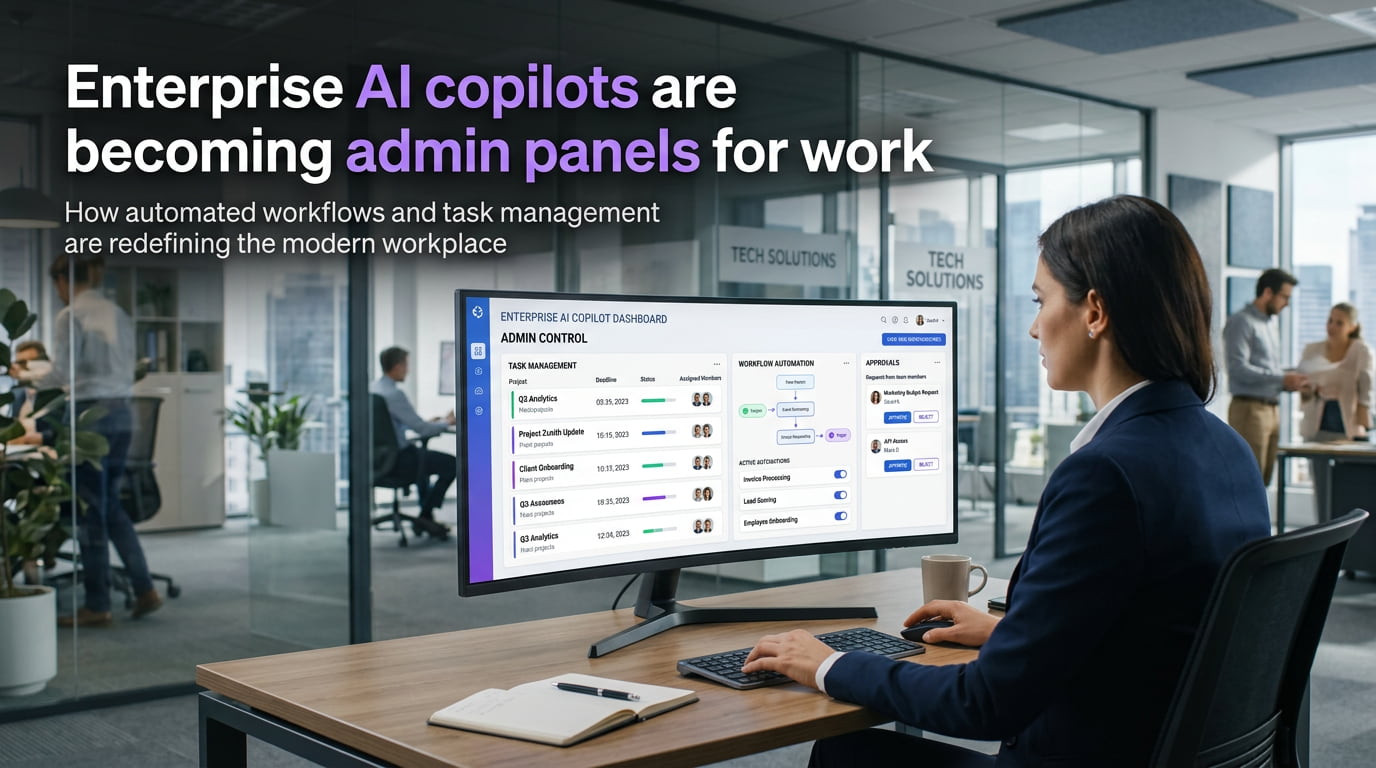
Operations dashboards can pair AI summaries with human review to make business signals easier to read.
 AI Business
Some workflows are too sensitive, ambiguous, or low-value for automation until governance improves.
 AI Productivity
A daily AI assistant can turn scattered inputs into plans, drafts, reminders, and useful next actions.
 AI Productivity
AI can capture themes and organize notes, but the user should still decide what matters.
 AI Productivity
AI meeting summaries are useful when they identify decisions, owners, open questions, and follow-ups.
 AI Productivity
The best AI productivity systems are calm, repeatable, and tuned to the way a person actually works.
 AI Ethics
Fair AI requires measuring outcomes, understanding affected groups, and designing review paths.
 AI Ethics
Transparency gives users enough context to understand limits, appeal outcomes, and trust the process.
 AI Ethics
Human oversight works only when reviewers have authority, context, and time to intervene.
 AI Ethics
Responsible adoption combines policy, testing, documentation, and a clear path for escalation.
 AI Coding
Coding assistants can speed up routine work when engineers keep architecture and quality in view.
 AI Coding
AI code review can catch patterns and suggest tests, but final judgment belongs to the team.
 AI Coding
AI helps debugging when it supports hypotheses, reproducible tests, and careful root cause analysis.
 AI Coding
AI-powered apps need trust boundaries, input controls, logging, and thoughtful user experience.
 AI Tools
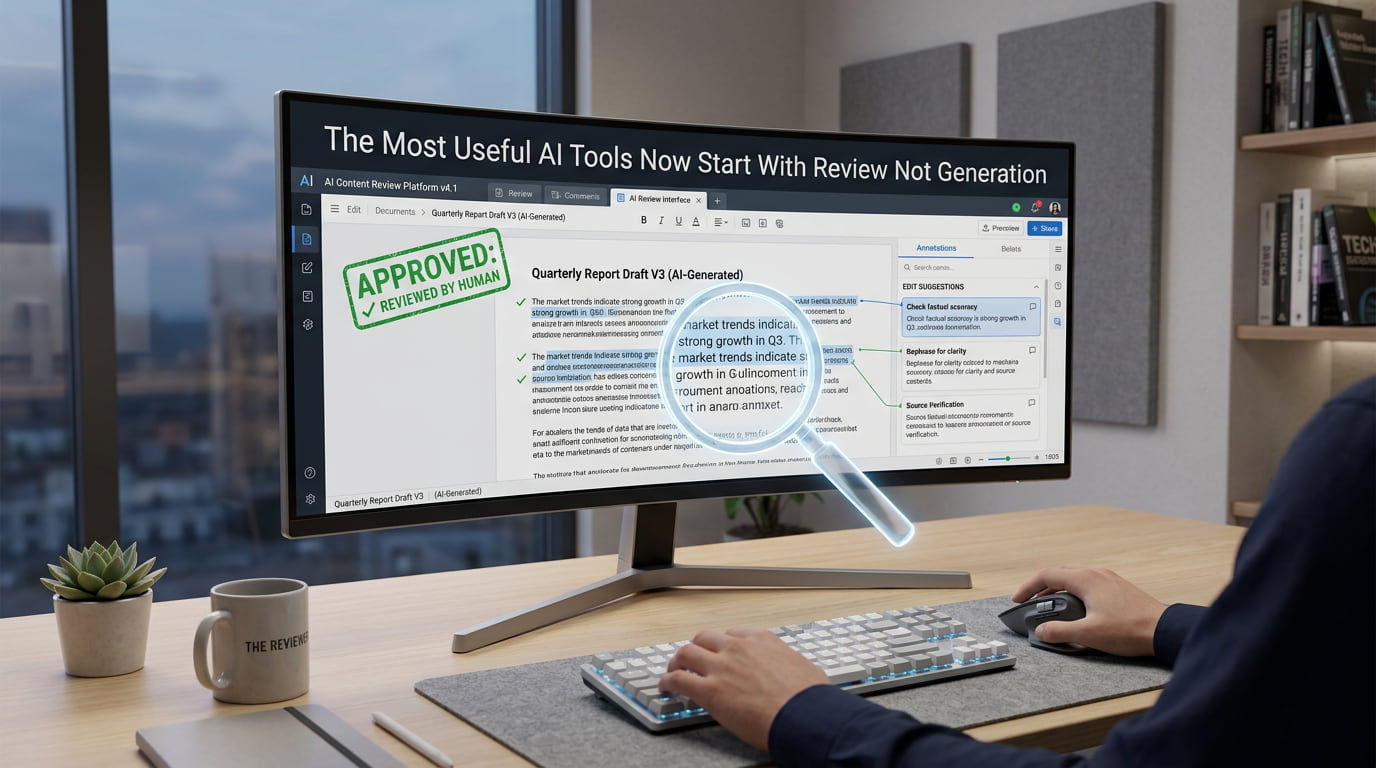
The most useful writing assistants now improve structure, tone, and review instead of only producing first drafts.
 AI Tools
Copilots are moving closer to operations dashboards where teams can route, review, and complete repeatable work.
 AI Tools
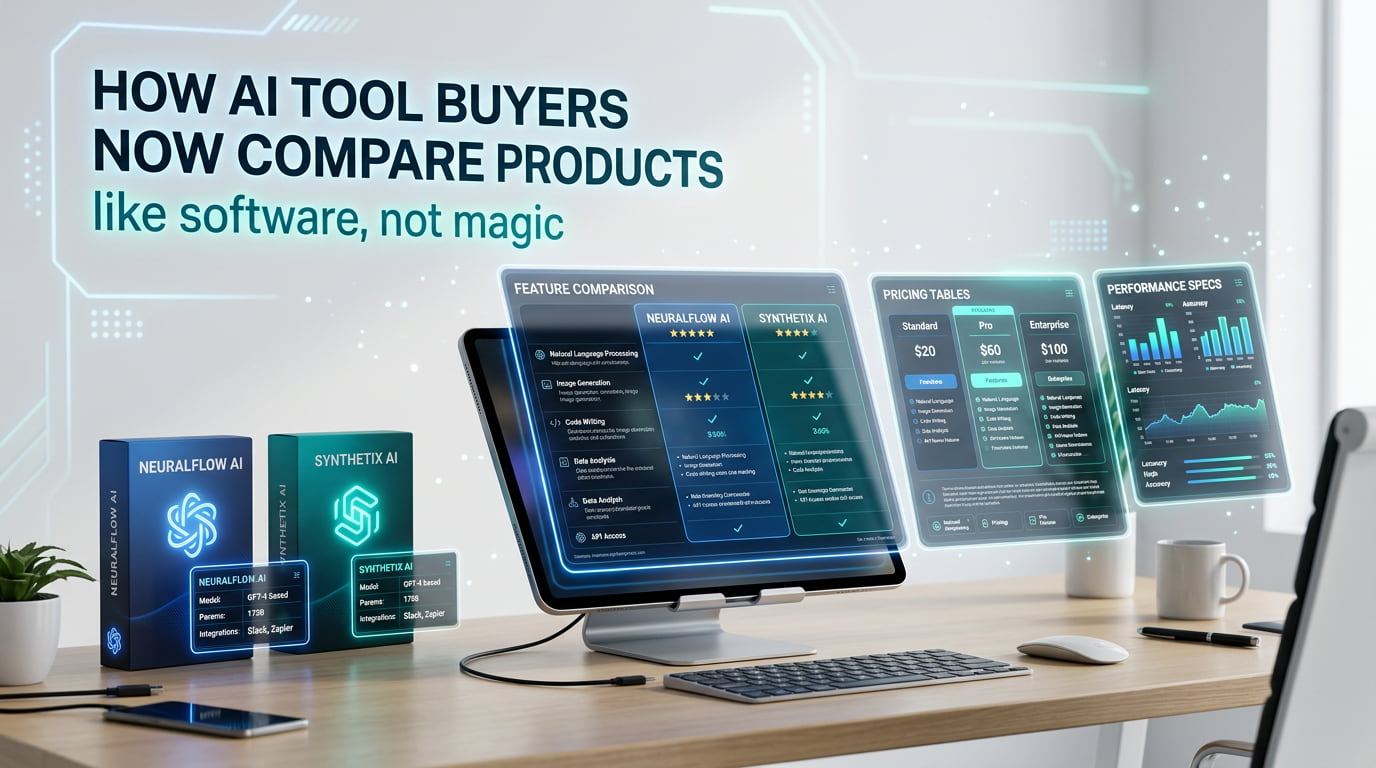
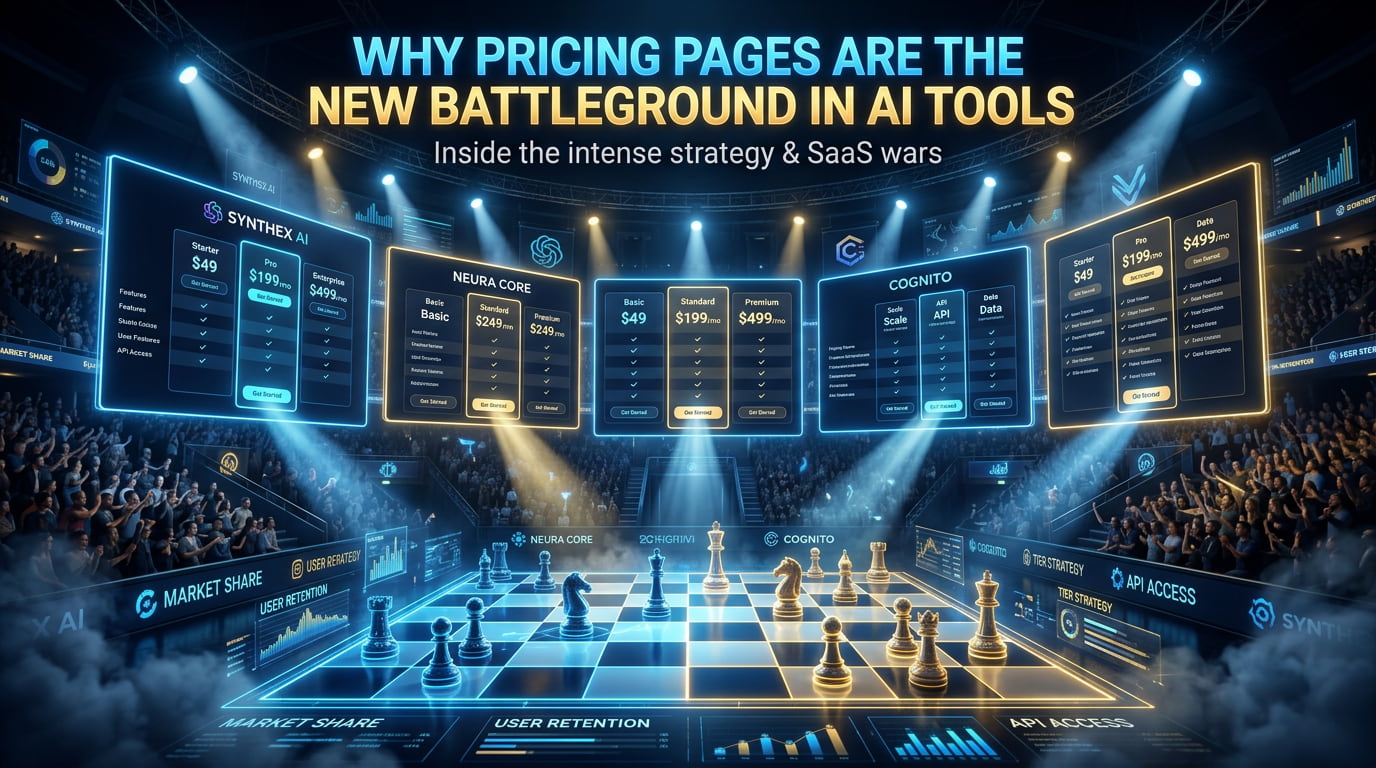
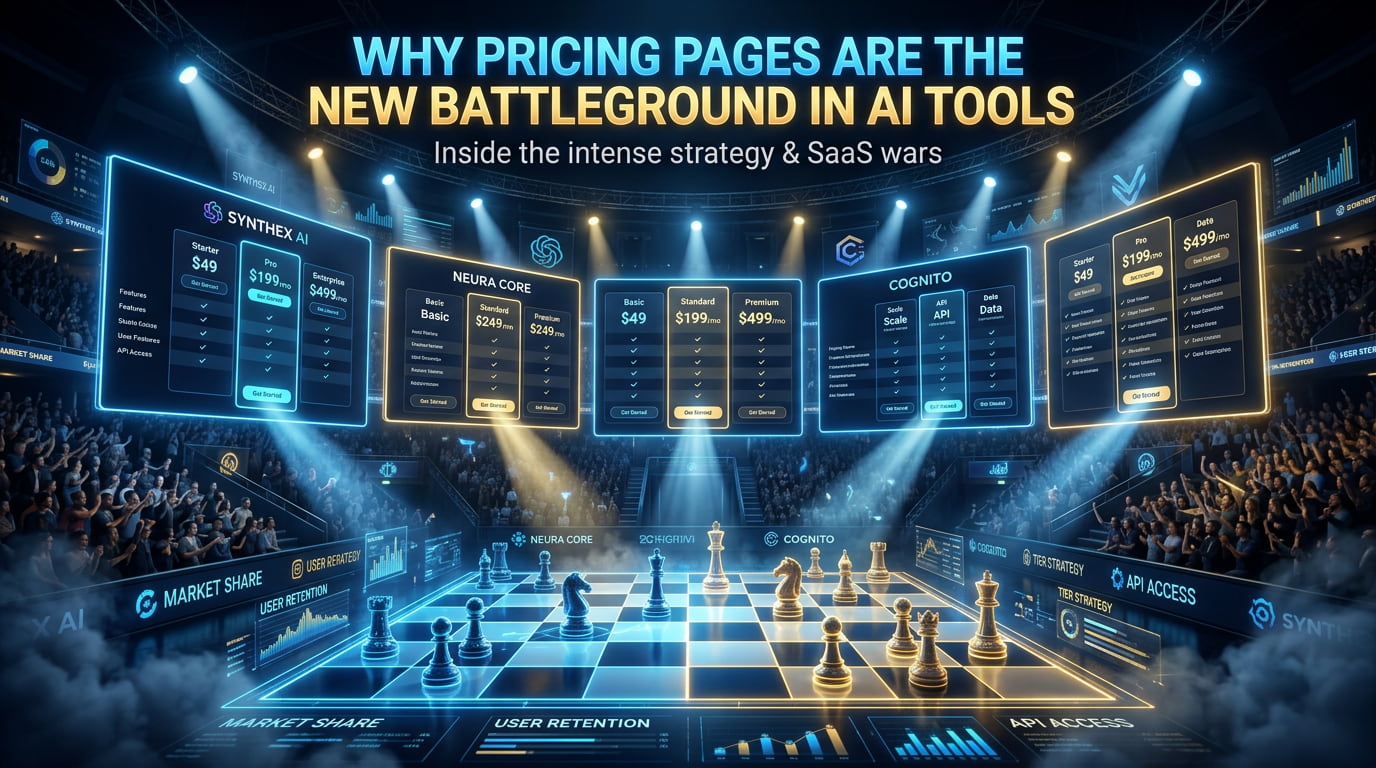
AI buyers are asking sharper questions about integration, reliability, pricing, support, and measurable outcomes.
 AI Tools
AI browsers are becoming control surfaces for research, tabs, documents, workflows, and task memory.
 AI Tools
Meeting AI is most valuable when it captures decisions, owners, risks, and follow-ups that teams actually use.
 AI Tools
Review-first AI products help teams trust outputs by making comparison, correction, and approval easier.
 AI Tools
Industry-specific AI tools win when they understand vocabulary, workflow constraints, and review expectations.
 AI Tools
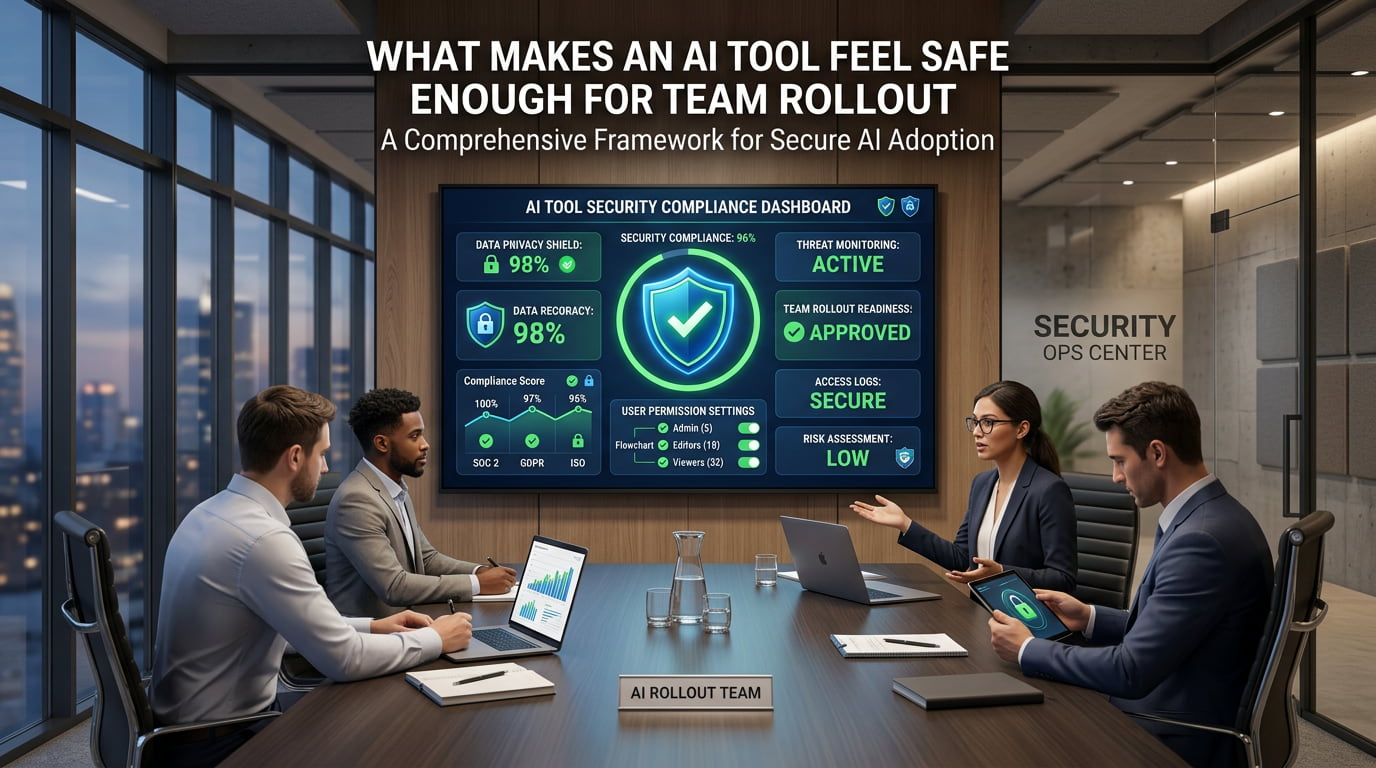
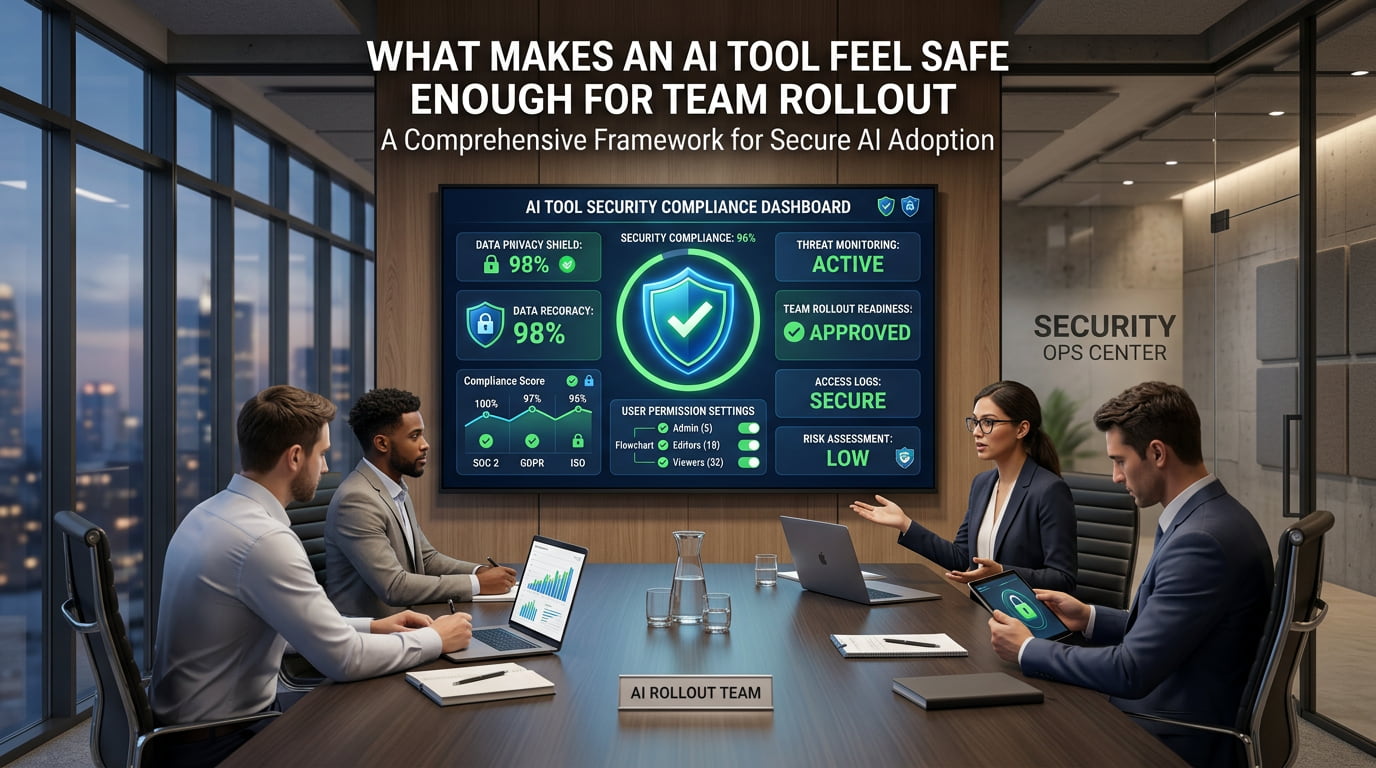
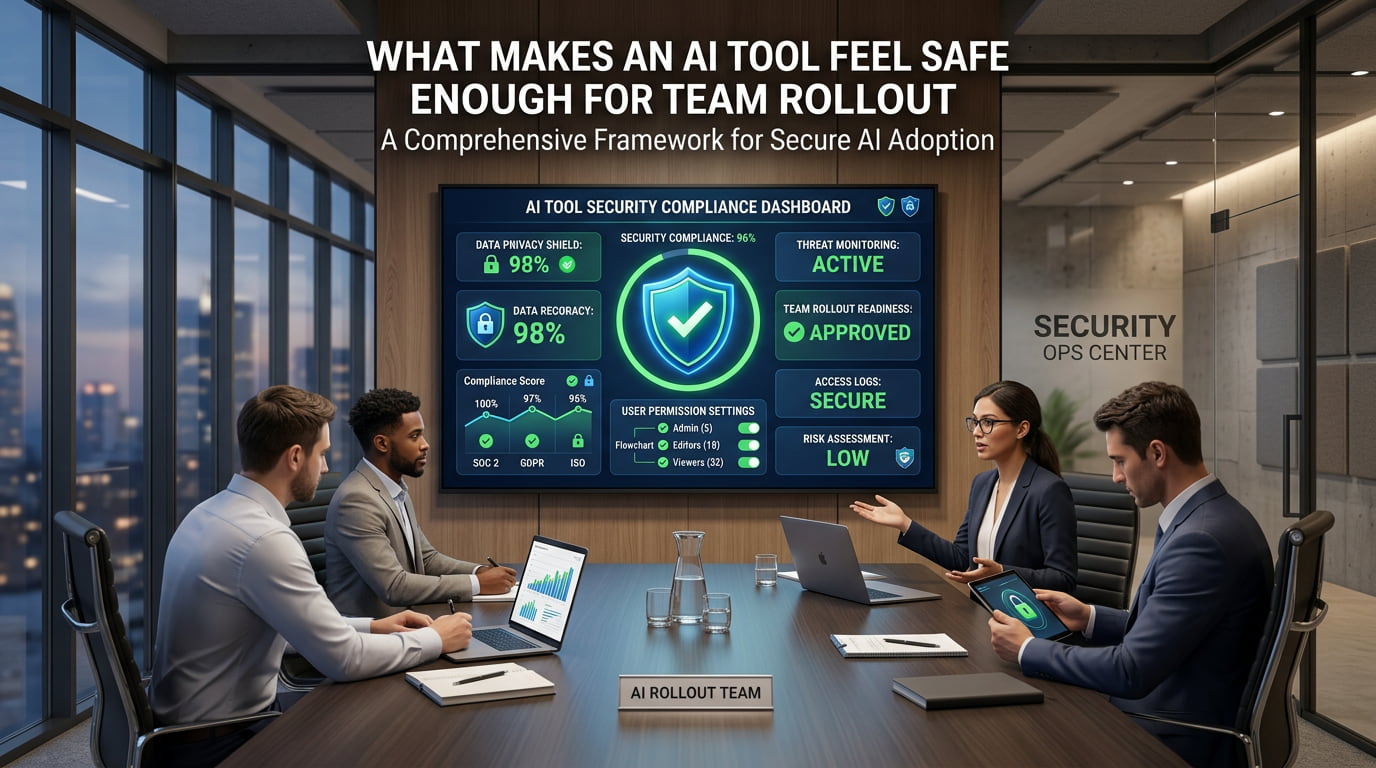
A safe rollout depends on permissions, logging, data boundaries, user training, and a clear path to human review.
 AI Policy
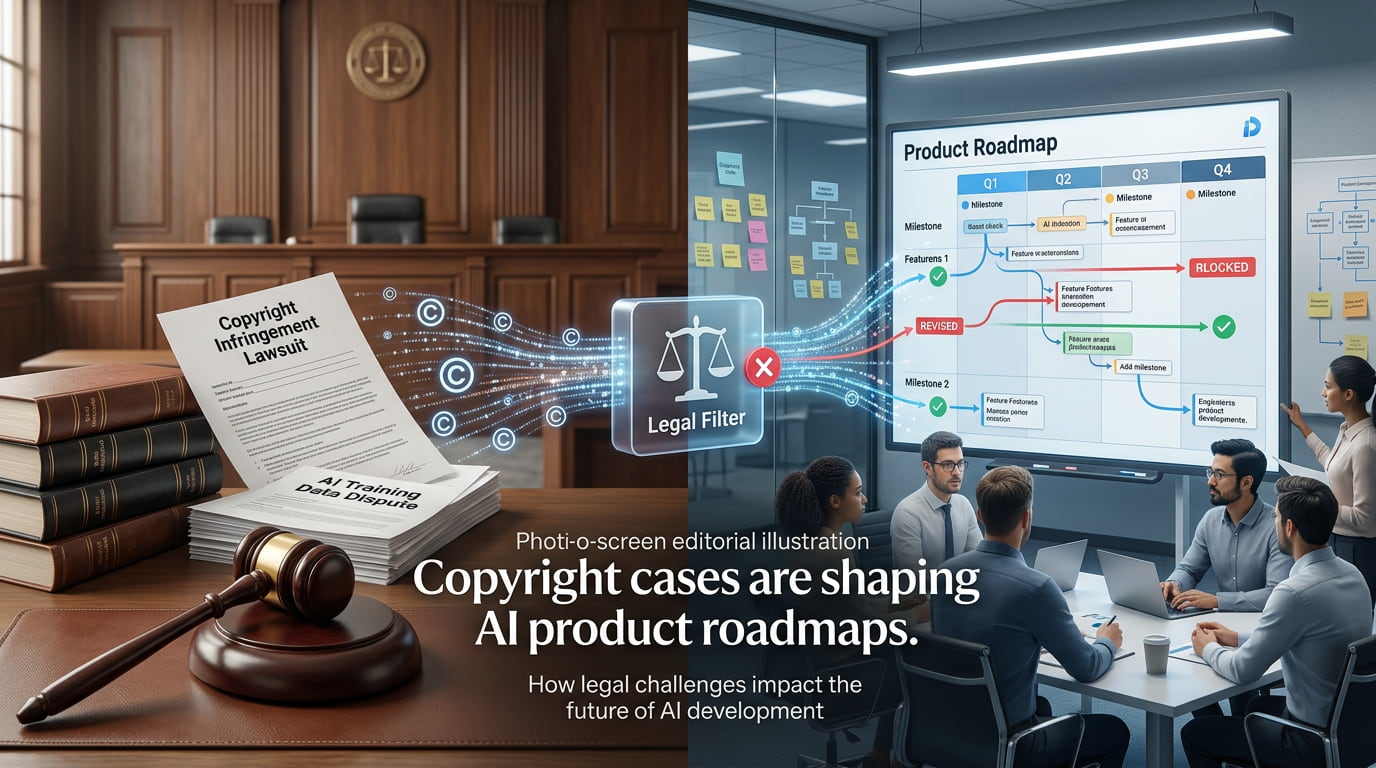
Copyright disputes are changing how teams think about training data, output controls, licensing, and product positioning.
 AI Policy
The first year of AI Act preparation shows how risk classification, documentation, and governance affect product teams.
 AI Policy
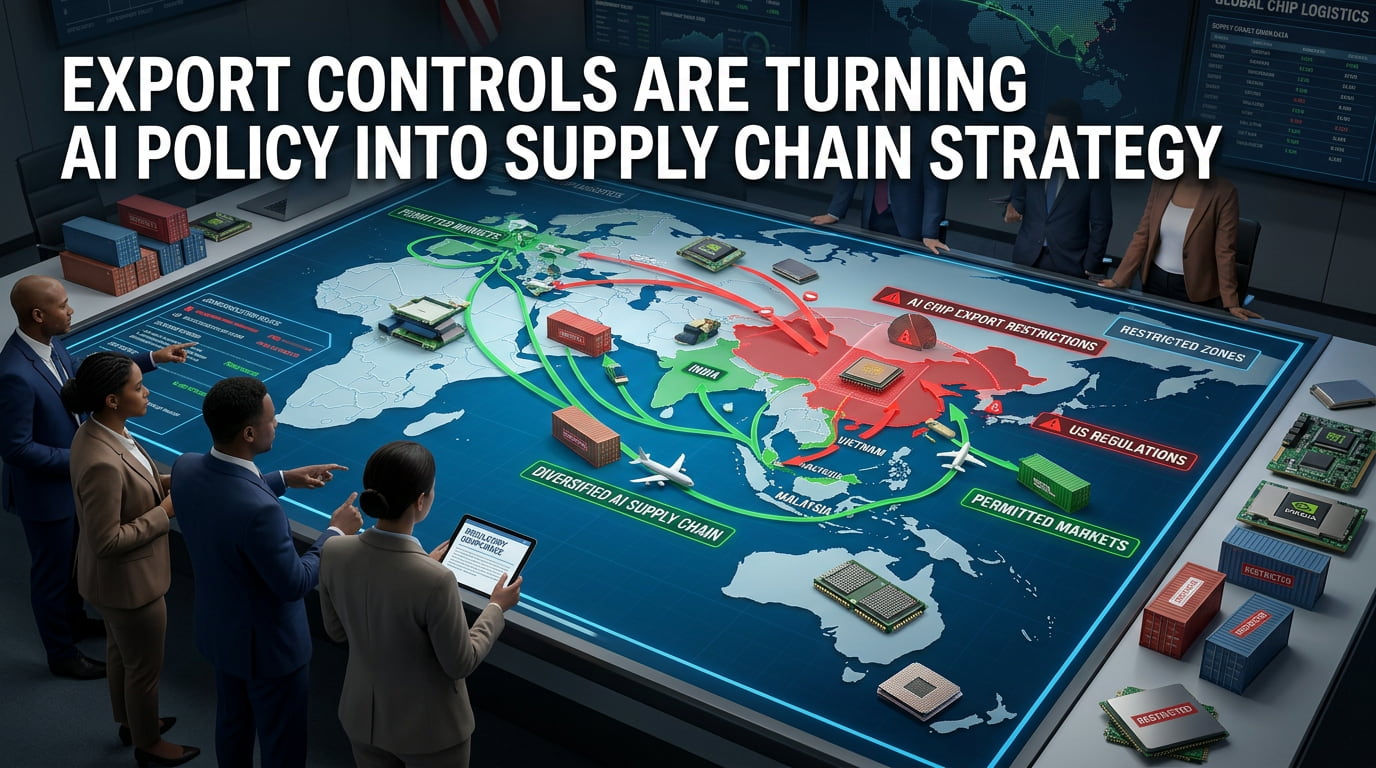
Compute access, chip restrictions, and regional rules are becoming central to AI planning and procurement.
 AI Policy
Privacy rules are pushing AI teams toward better consent, retention, minimization, and data lineage practices.
 AI Policy
Public agencies and enterprises are using buying rules to shape safety, auditability, and vendor behavior.
 AI Policy
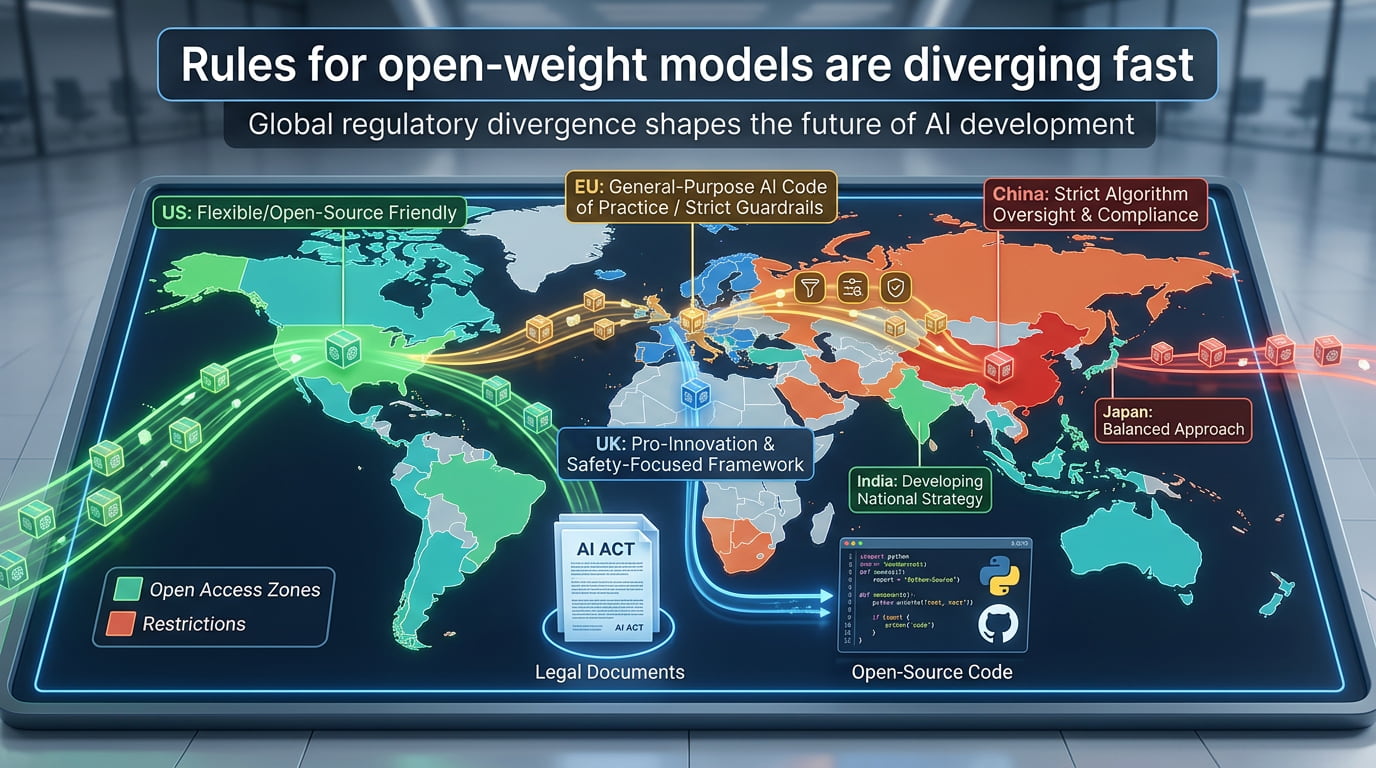
Open model policy is splitting across regions, creating new questions for developers, hosts, and enterprise adopters.
 AI Policy
Safety evaluations help policymakers, labs, and buyers compare model behavior in more concrete terms.
 AI Policy
Auditability is becoming the core question for systems that affect hiring, finance, education, healthcare, and public services.
 AI Companies
Governance, safety posture, and enterprise workflows are becoming a major part of model lab differentiation.
 AI Companies
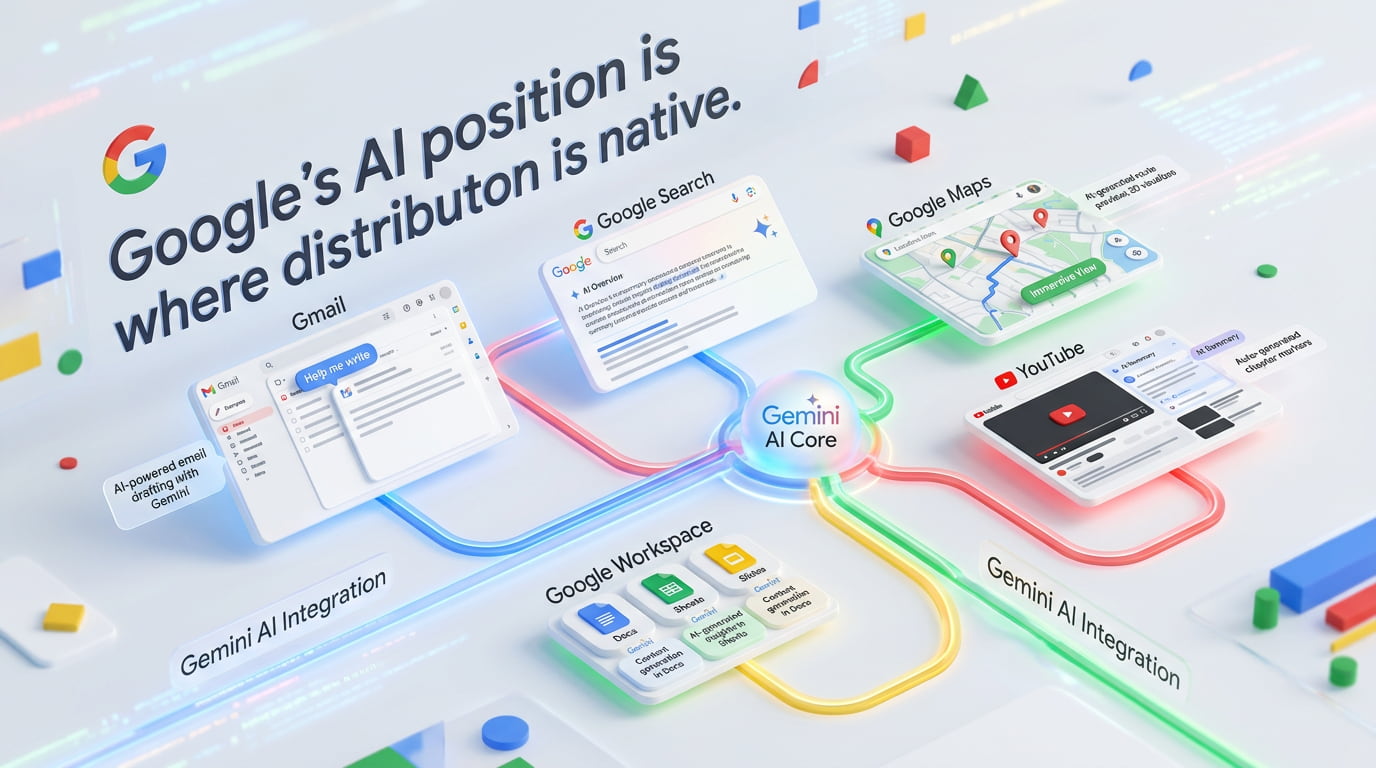
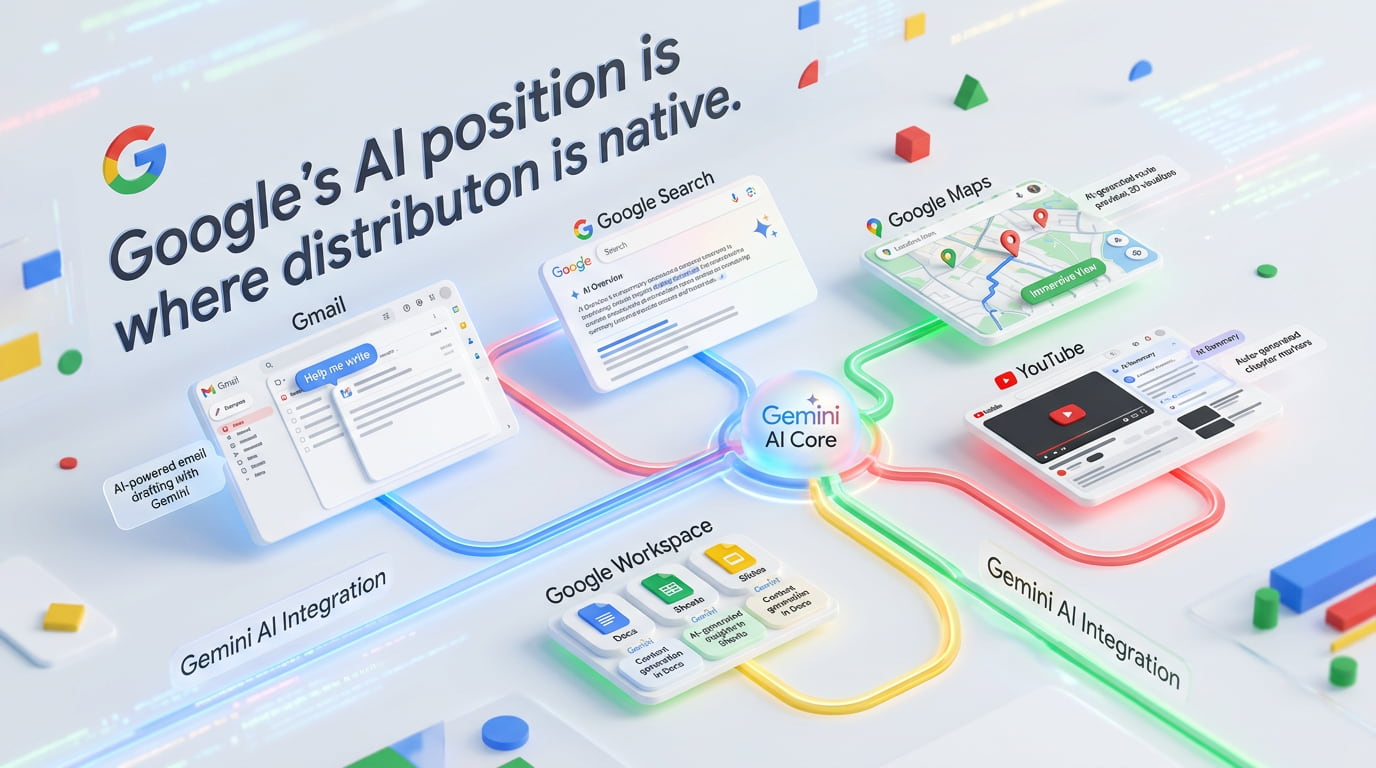
Google's AI advantage is clearest when model capability connects directly to search, cloud, Android, and workspace products.
 AI Companies
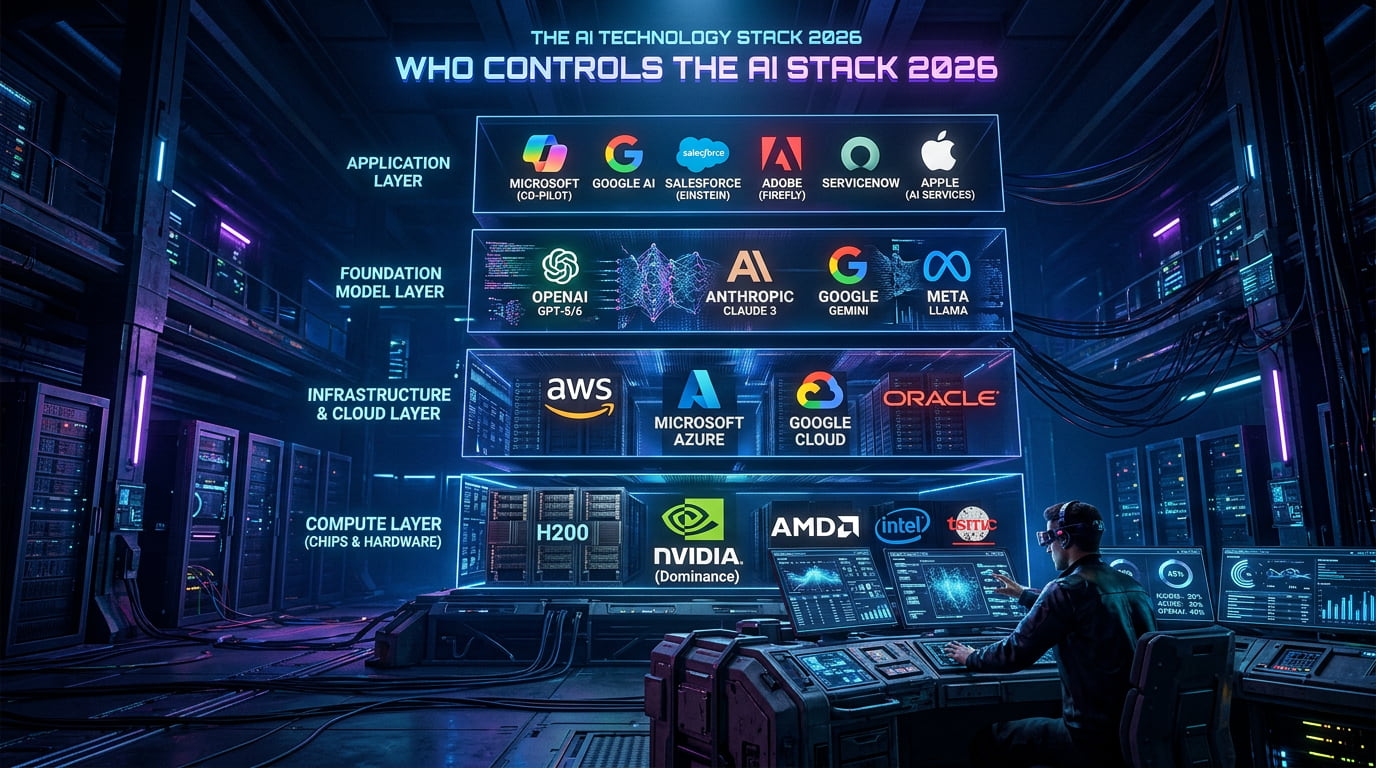
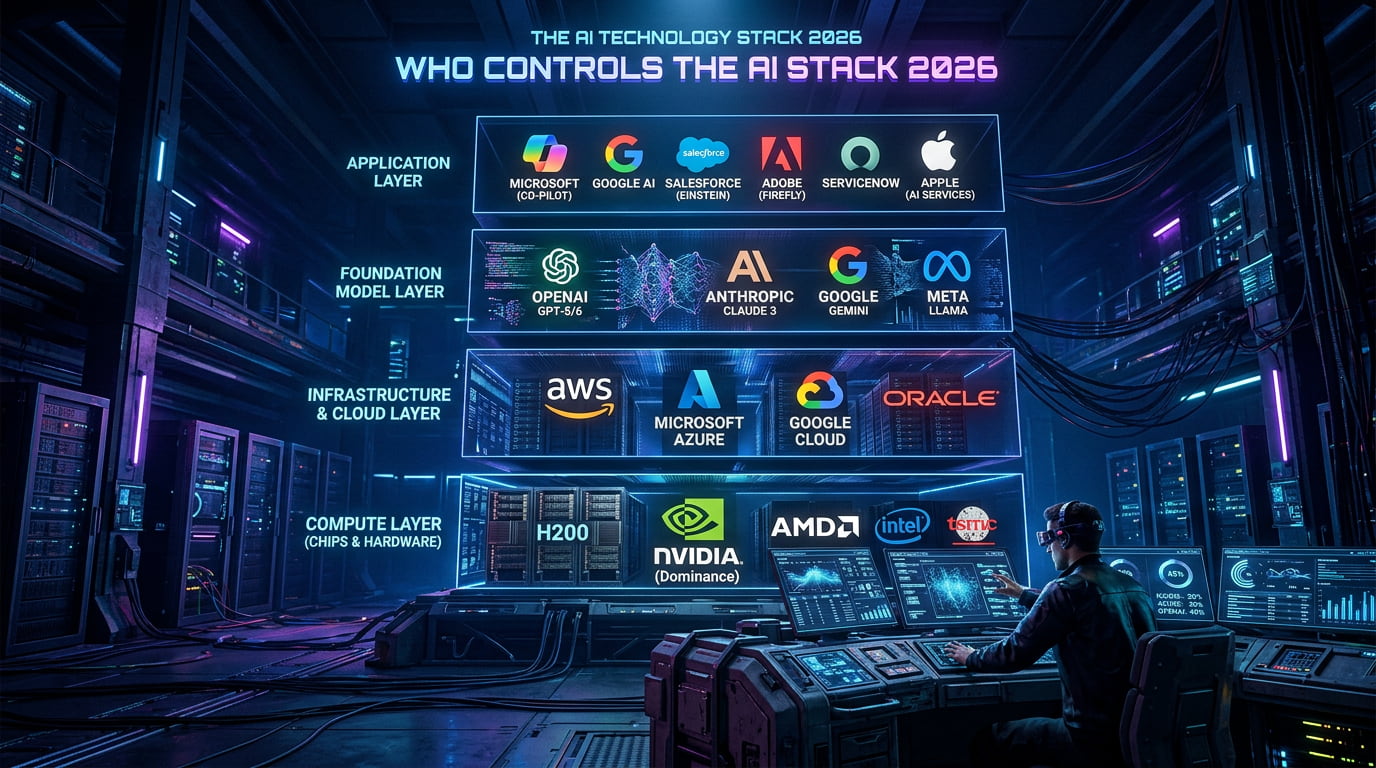
Compute, data centers, chips, and infra deals are changing where value is captured in the AI stack.
 AI Companies
Microsoft turns AI into enterprise adoption by embedding assistants into the software employees already use.
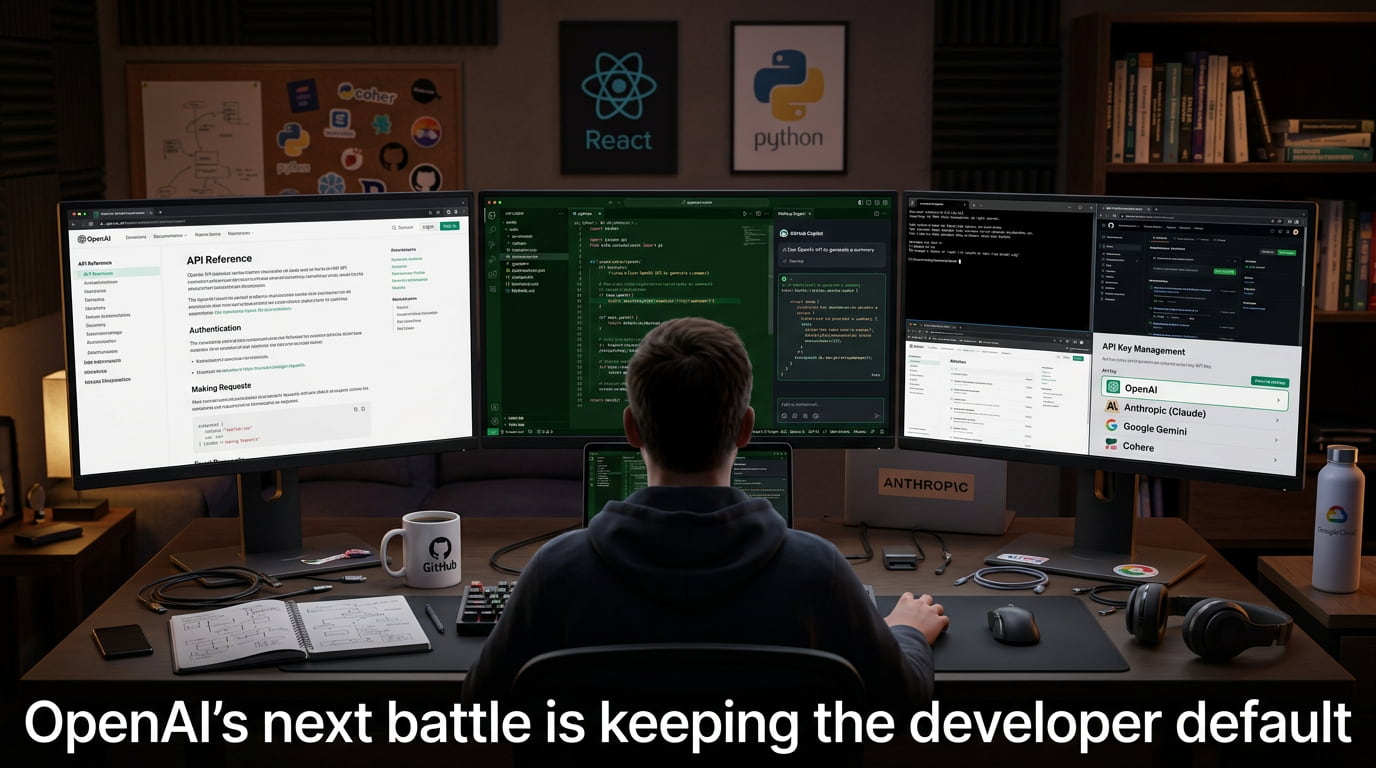
AI CompaniesDeveloper mindshare remains one of the strongest moats in AI, especially as model choice becomes more fluid.
AI CompaniesLarge buyers are shaping the AI stack through procurement, cloud commitments, security requirements, and integration pressure.
AI CompaniesStartups can win by solving cross-platform workflows that large AI platforms do not handle cleanly.
AI CompaniesExclusive data access, licensing, and workflow data can create more durable advantages than a temporary benchmark lead.
AI IndustriesHealthcare AI projects need safety review, clinician buy-in, privacy controls, and measurable workflow improvements.
AI IndustriesFinance teams prefer AI that helps review reports, reconcile data, and flag exceptions before decisions are made.
AI IndustriesSupport AI works best when escalation paths, tone rules, and knowledge updates are designed into the workflow.
AI IndustriesEducation AI is separating into student-facing tutoring tools and operational tools for teachers and administrators.
AI IndustriesInsurance teams are using AI to summarize documents, detect missing information, and route claims faster.
AI IndustriesLegal AI adoption is strongest in intake, clause comparison, redline review, and matter organization.
AI IndustriesLogistics AI is judged by how well it reduces exceptions, delays, manual routing, and communication gaps.
AI IndustriesManufacturers are finding practical AI value in visual inspection, defect detection, maintenance, and quality workflows.
AI FrontierModel teams are rethinking architecture around efficiency, specialization, retrieval, and better deployment economics.
AI FrontierBenchmarks are shifting toward longer tasks, tool use, memory, reliability, and realistic workflow completion.
AI FrontierPost-training, preference tuning, tool behavior, and task reliability are becoming key areas of model improvement.
AI FrontierRouting systems help teams choose the right model for cost, speed, accuracy, privacy, and task complexity.
AI FrontierOpen models are becoming more useful as deployment tools, fine-tuning workflows, and inference stacks improve.
AI FrontierSmaller models are useful for private, low-latency, low-cost tasks that do not need frontier-scale reasoning.
AI FrontierMultimodal AI becomes more useful when voice, image, video, and action loops feel immediate.
AI FrontierTeams are learning that better context, retrieval, memory, and tools matter more than clever one-off prompts.